

With the rapid advancement of medical technologies and the growing awareness of hygiene in healthcare environments, the use of disposable equipment and supplies has become a cornerstone of infection control. Among these, disposable medical apparel holds a particularly important position. These products—including surgical gowns, patient garments, masks, caps, shoe covers, and disposable bed linens—play a critical role in preventing the transmission of infectious diseases and ensuring a safe environment for both patients and healthcare professionals.
In particular, following the COVID-19 pandemic, the importance of disposable apparel has been emphasized more than ever. Many healthcare facilities shifted from repeatedly washing and disinfecting reusable fabric garments to adopting nonwoven disposable garments, which not only save time but also significantly reduce the risk of infection transmission.
Categories of Disposable Medical Apparel
Disposable medical apparel encompasses a wide range of products, each designed to meet the specific requirements of different hospital departments:
-
Surgical Gowns and Staff Coats
-
Specially designed for surgeons, nurses, and operating room teams
-
Liquid-repellent while maintaining breathability
-
-
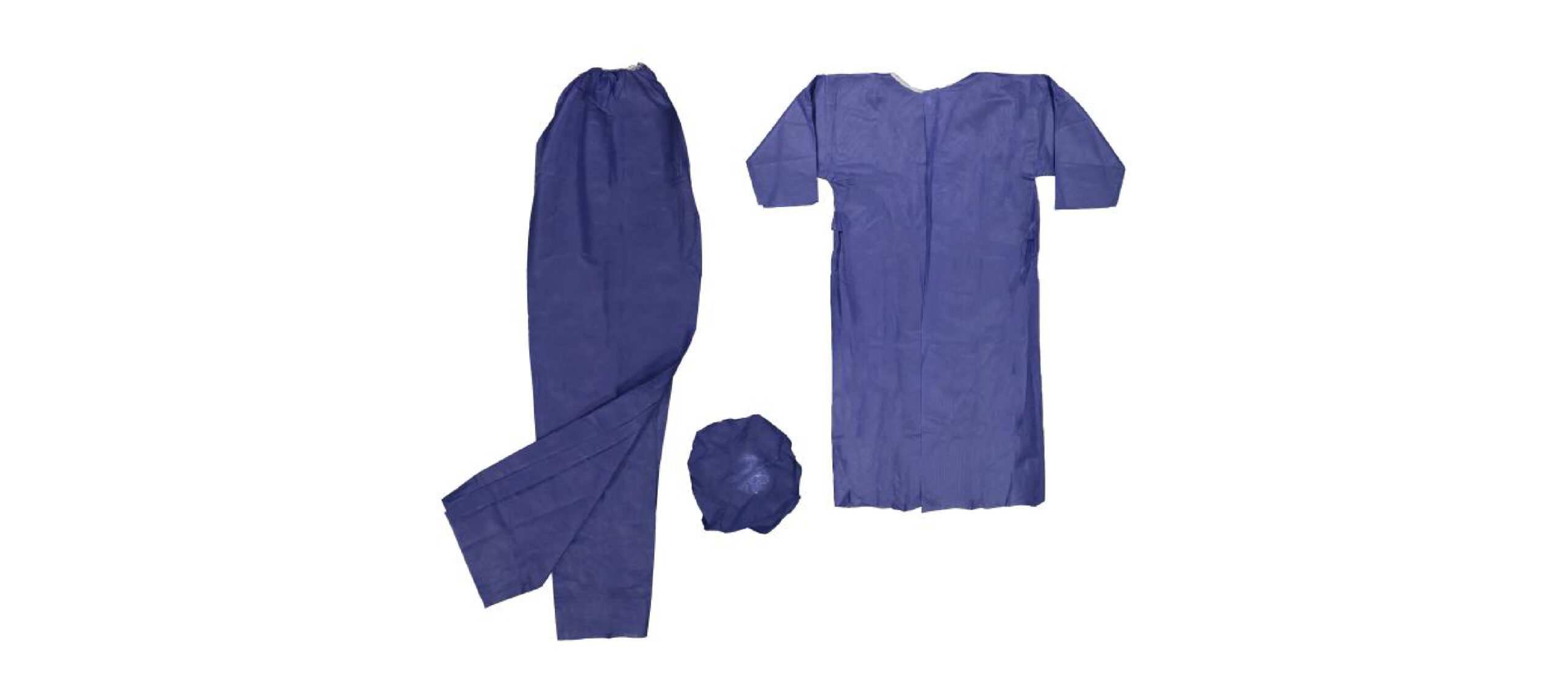
Patient Garments
-
Comfortable, lightweight, and hygienic
-
Prevent cross-contamination between patients and the environment
-
-
Masks, Caps, and Shoe Covers
-
Minimize the spread of microorganisms within clinical environments
-
Manufactured in various models and multi-layered structures, depending on the required level of protection
-
-
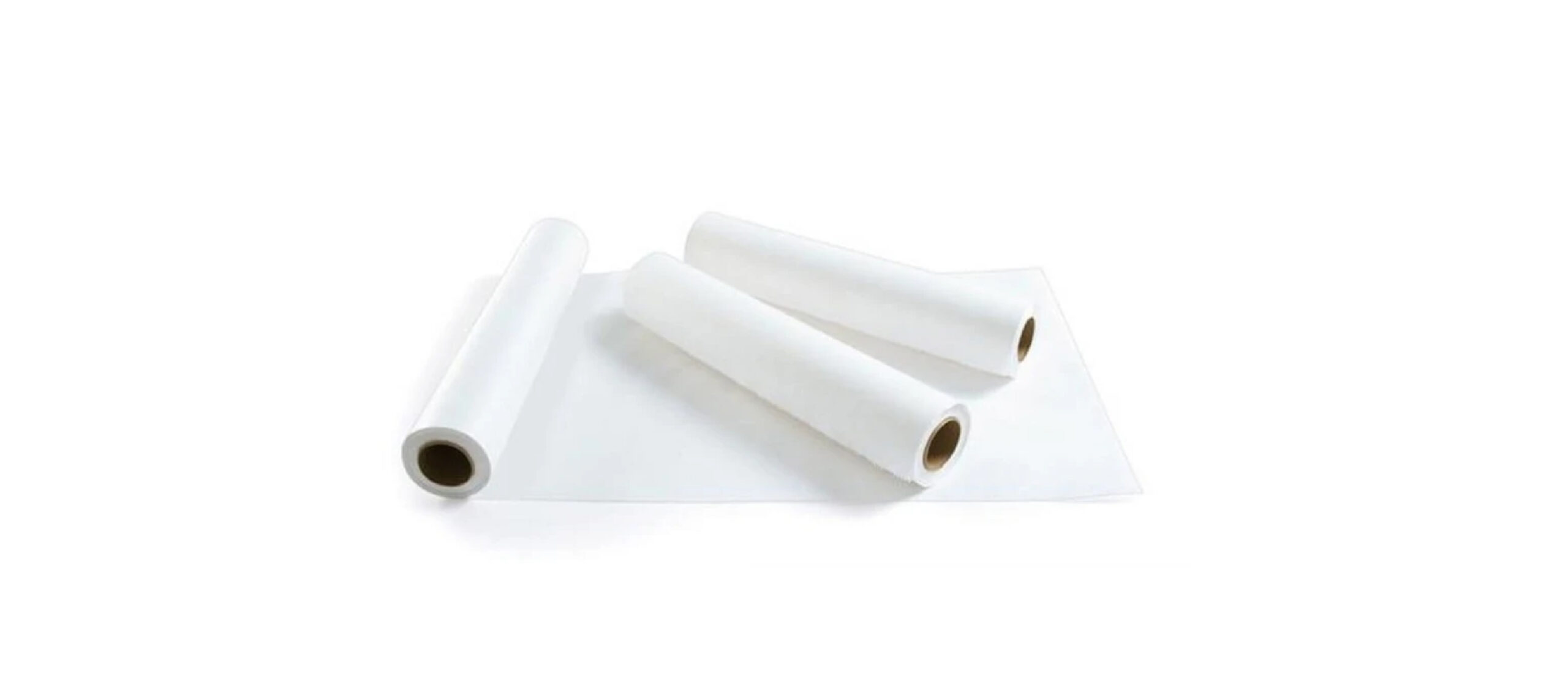
Disposable Sheets, Pillowcases, and Bed Covers
-
Widely used in inpatient wards, emergency departments, and surgical units
-
Reduce laundering costs and increase bed turnover efficiency
-
Raw Materials Utilized in Manufacturing
The primary raw material used in the production of disposable medical apparel is nonwoven fabric, manufactured through processes such as spunbond, meltblown, and their combinations (SMS and SMMS).
-
Spunbond: Produced by melting polypropylene fibers, which are mechanically bonded to form a lightweight, durable, and cost-effective fabric.
-
Meltblown: A fine-layered material with exceptional particle filtration efficiency, commonly used in masks.
-
SMS and SMMS: Multi-layer combinations of spunbond and meltblown fabrics, offering liquid resistance, breathability, and enhanced durability simultaneously.
Additional Features:
-
Antibacterial properties
-
Waterproof and resistant to body fluids
-
Breathable to ensure user comfort
Manufacturing Process of Disposable Medical Apparel
The production of disposable medical apparel requires specialized machinery and equipment, with the following general stages depending on the product type:
-
Preparation of Raw Materials
-
Nonwoven fabric rolls are selected based on the required thickness and weight.
-
-
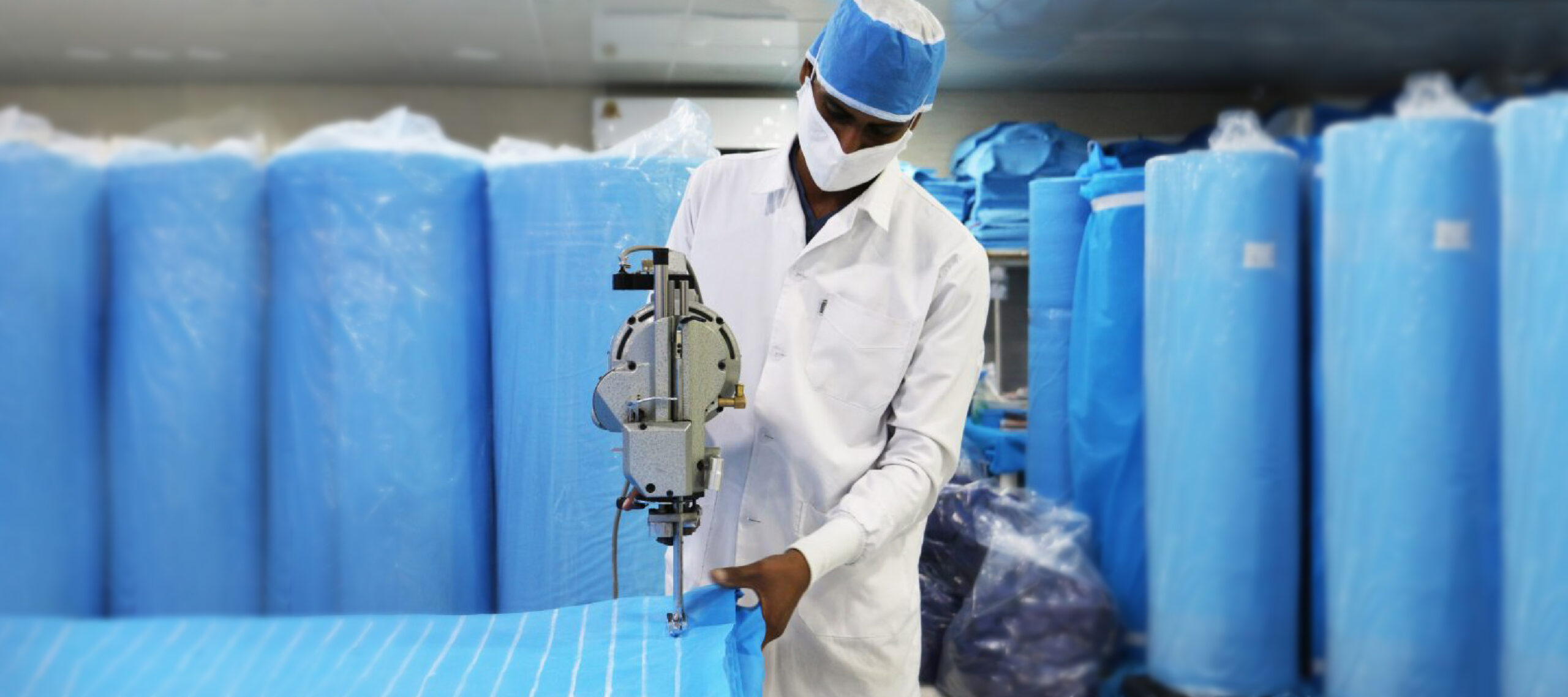
Cutting
-
Automated cutting machines shape the garments according to specific patterns.
-
-
Ultrasonic Sealing
-
Instead of traditional stitching, ultrasonic waves are used to bond the fabric.
-
This ensures speed, seam strength, and prevents liquid penetration.
-
-
Sterile Packaging
-
Products are packaged in sterile or vacuum-sealed formats.
-
Certain items undergo additional sterilization using ethylene oxide gas or gamma irradiation.
-
Standards and Regulatory Requirements
To guarantee the safety and quality of disposable medical apparel, compliance with international standards is essential:
-
ISO 13485: Quality management system for medical devices
-
EN 13795: Technical requirements for surgical gowns and drapes
-
CE Marking: Certification for entry into the European market
-
FDA Approval: Authorization from the U.S. Food and Drug Administration
In Iran, the Food and Drug Administration also enforces strict supervision over the production of these products.
Advantages and Limitations of Disposable Medical Apparel
Advantages
-
Effective prevention of hospital-acquired infections
-
Time savings compared to washing and disinfecting reusable garments
-
Reduction in ancillary costs such as energy, water, and detergents
-
Lightweight and comfortable for both patients and healthcare staff
-
Long shelf life without quality degradation
Limitations
-
Relatively high cost of production and raw material imports
-
Generation of plastic waste and disposal challenges
-
Need for proper recycling management to mitigate environmental impact
Market Outlook and Future Prospects
The global market for disposable medical apparel has experienced substantial growth in recent years. Factors such as the rising prevalence of infectious diseases, stricter hygiene standards, population growth, and the increasing number of healthcare facilities have fueled demand.
In Iran, domestic production expanded significantly after the COVID-19 pandemic, as numerous textile and industrial companies entered the sector. Nevertheless, a considerable portion of raw materials, particularly meltblown layers, remains dependent on imports.
Future Directions for the Industry
-
Transition towards eco-friendly and recyclable nonwoven fabrics
-
Advancements in production technologies to lower costs
-
Expansion of exports to regional markets
-
Strengthening research collaborations to develop locally produced raw materials
Conclusion
The manufacturing of disposable medical apparel represents a strategic sector within the medical equipment industry, playing a vital role in safeguarding the health of patients and healthcare workers. Although challenges such as production costs and environmental concerns persist, the benefits are significant enough to render their use indispensable.
Through investment in advanced technologies and sustainable practices, Iran has the potential not only to meet domestic demand but also to establish itself as a regional hub for the production and export of disposable medical apparel.