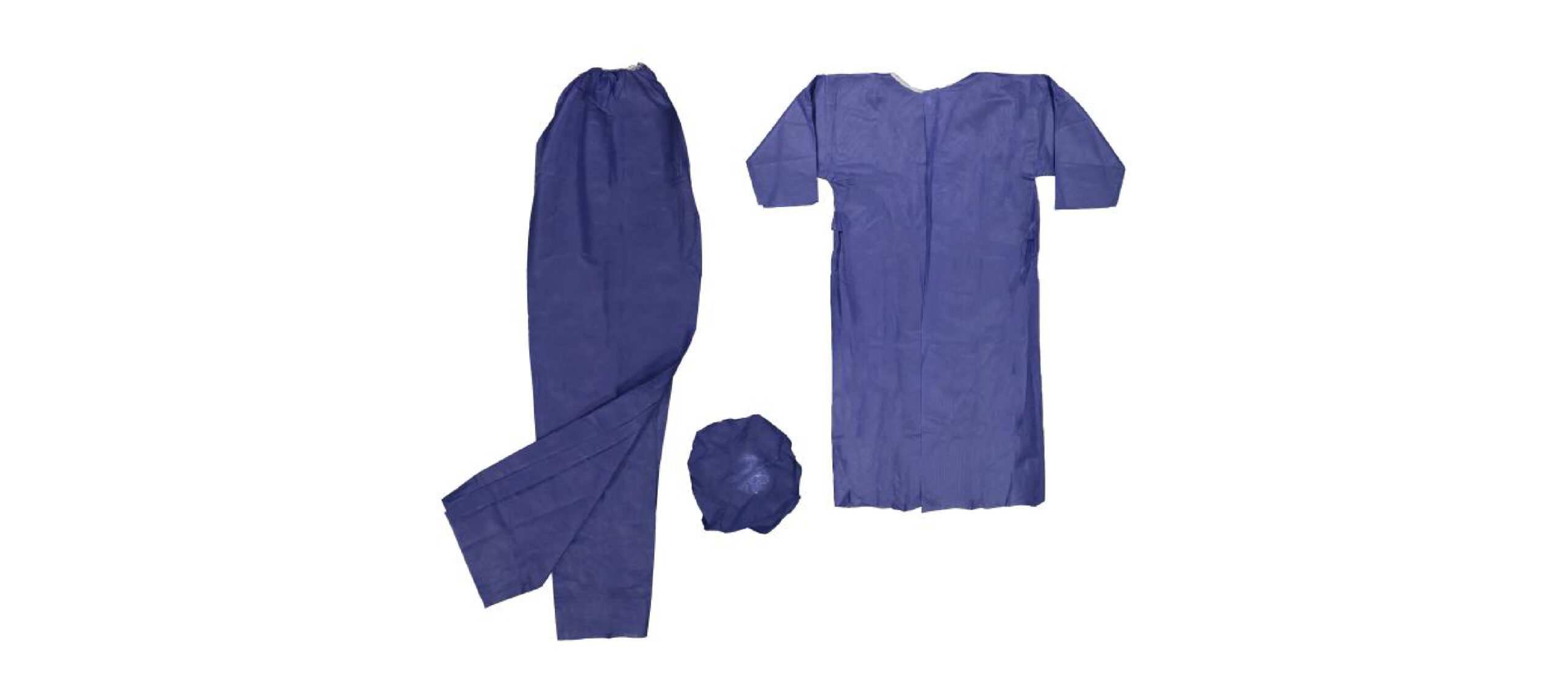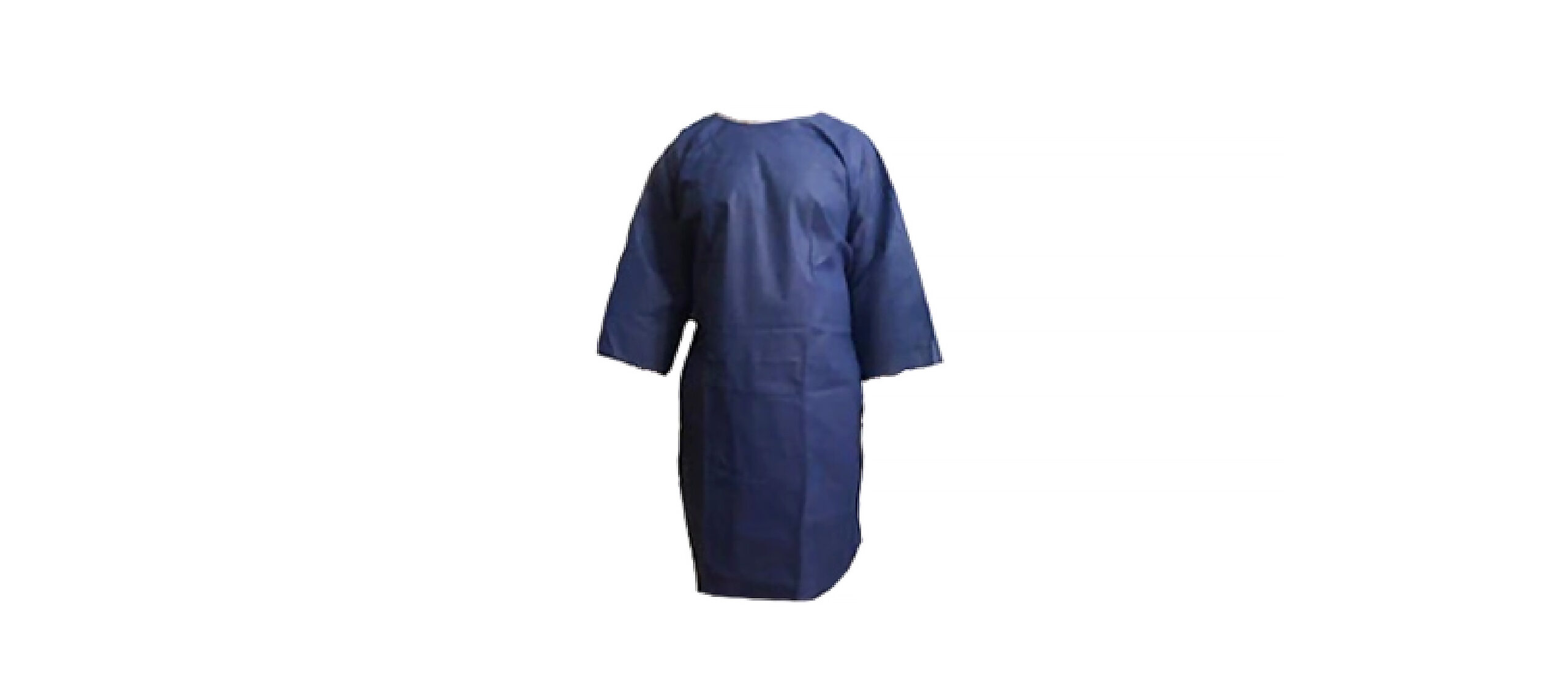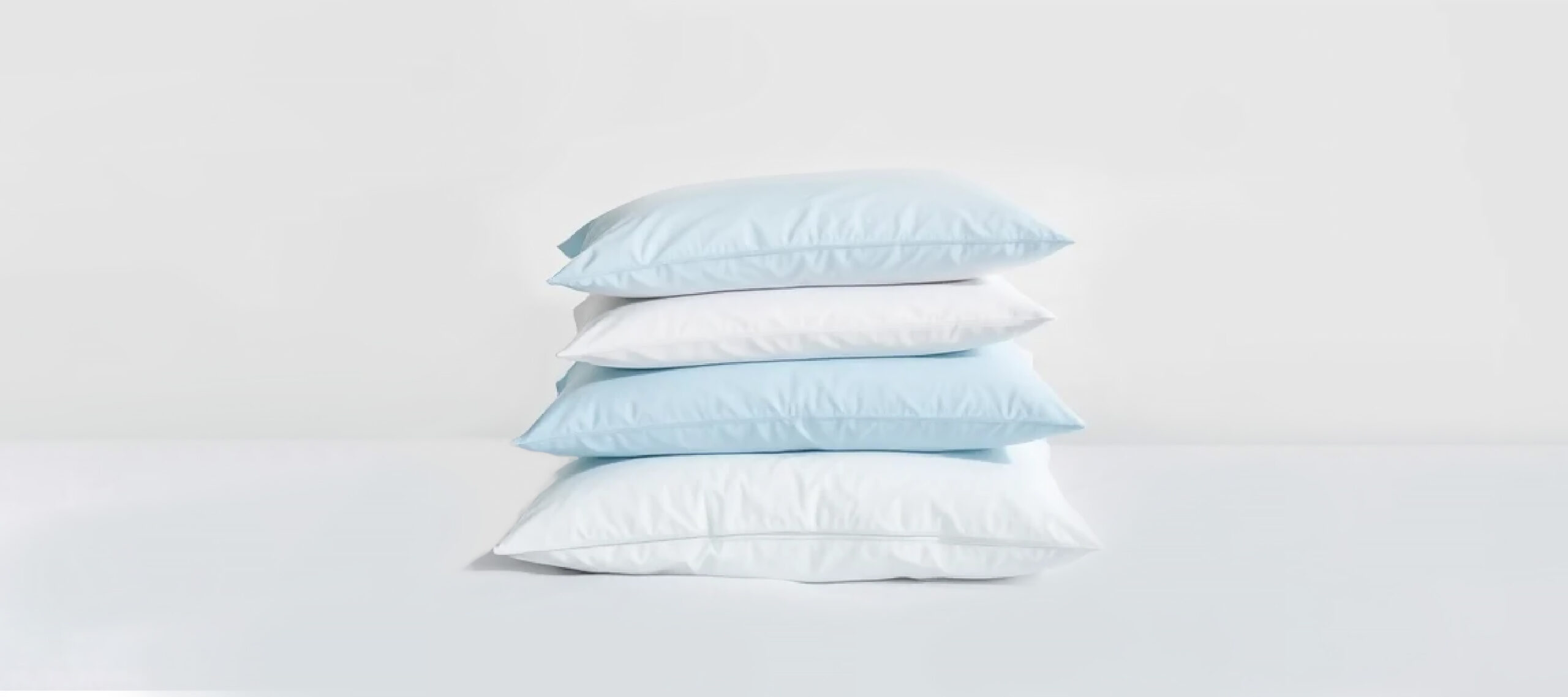


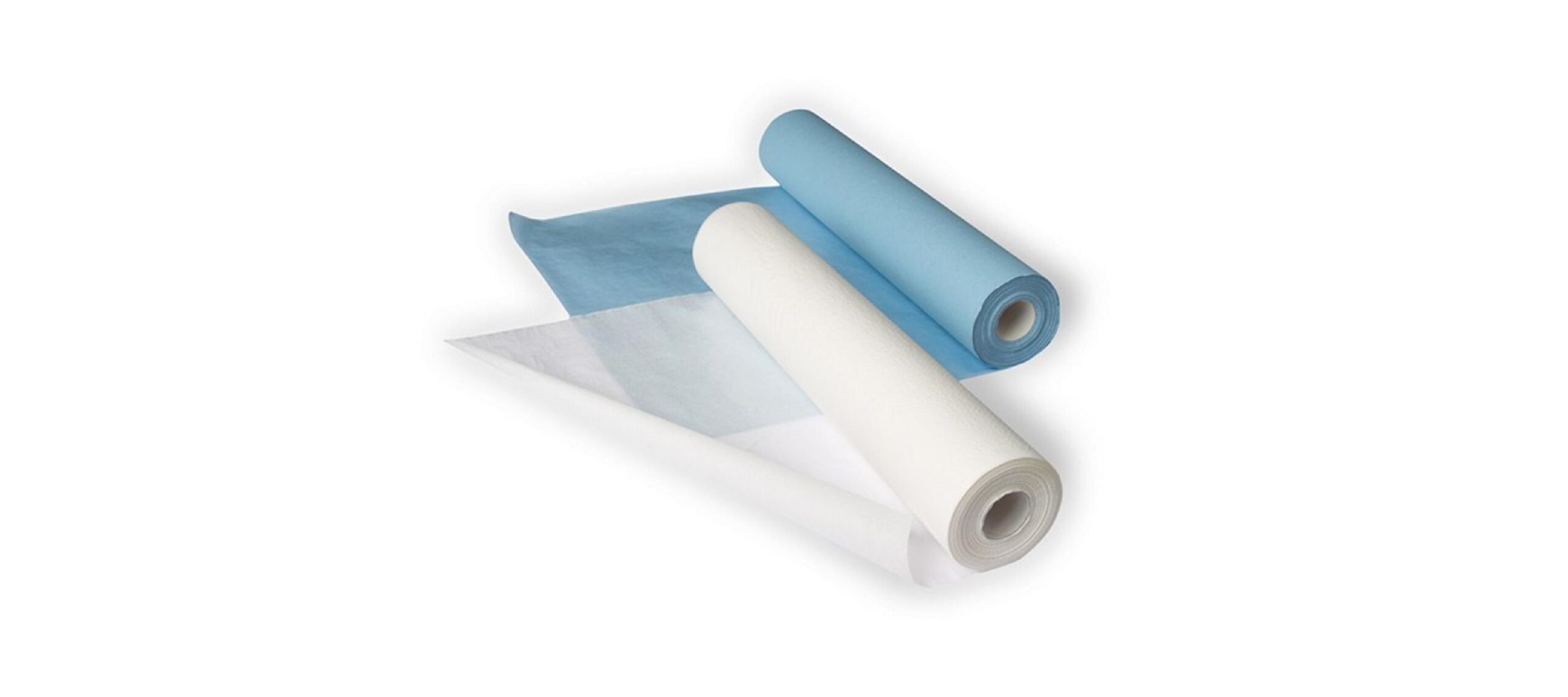
In healthcare environments, observing hygiene principles depends not only on advanced medical equipment but also on the smallest details. One of these important details is the use of disposable sheets and covers. Direct contact of patients with beds, stretchers, and medical equipment can create a pathway for the transmission of various contaminants and hospital-acquired infections. The use of disposable sheet rolls and covers is a practical solution to prevent such transmissions, while also improving hygiene, time management, and cost efficiency.
Definition and Structure of Disposable Sheet Rolls
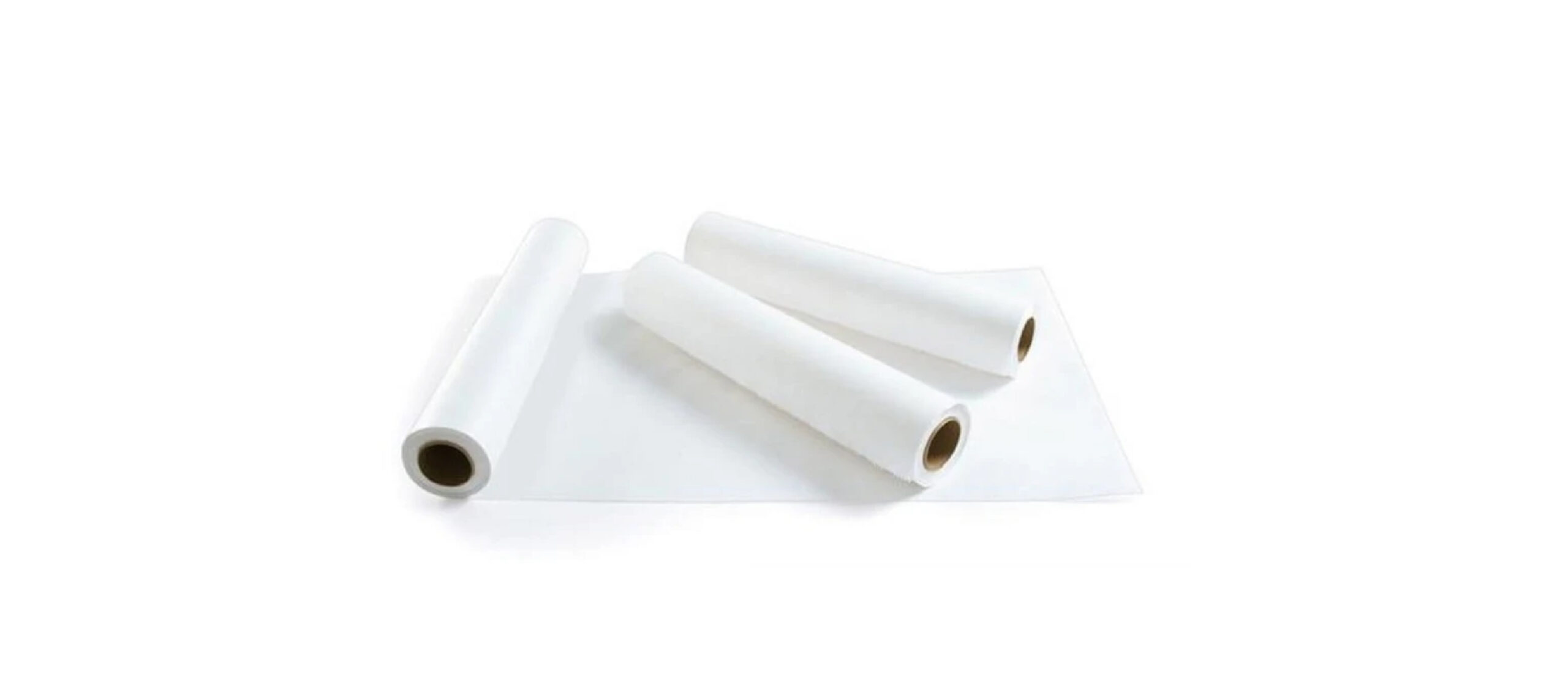
Disposable sheet rolls are lightweight fabrics made of nonwoven materials—or sometimes laminated paper—supplied in continuous rolls. These rolls can be cut manually or by cutting machines to the required length and spread over hospital beds or examination tables.
Main Features:
-
Various thicknesses and weights (typically 15 to 50 gsm).
-
Waterproof or moisture-resistant in certain models.
-
Available in single-layer or multi-layer types.
-
Customizable in terms of color, width, and length.
Types of Disposable Covers
-
Hospital Bed Covers: For inpatient and intensive care units.
-
Stretcher and Ambulance Covers: For emergency patient transfers.
-
Clinic-Specific Sheet Rolls: For general practice and dental examination tables.
-
Surgical and Operating Room Covers: With liquid-impermeable properties.
-
Economical Rolls: For beauty centers, massage clinics, and dermatology practices.
Raw Materials Used
-
Spunbond: Lightweight, economical, and widely used.
-
Meltblown: Provides enhanced resistance against particles and liquids.
-
SMS and SMMS: Multi-layer composites with high strength and impermeability.
-
PE-Laminated Materials: For complete waterproofing.
Manufacturing Process of Disposable Sheets and Covers
-
Nonwoven Fabric Production: Using spunbond or SMS methods.
-
Cutting and Rolling: Fabrics are cut to standard dimensions (50–120 cm width) and packed in rolls.
-
Additional Features: Such as waterproof coating or printing hospital logos.
-
Packaging: Rolls are hygienically wrapped and prepared for transportation.
Advantages of Using Disposable Sheets and Covers
-
Enhanced Hygiene: Eliminates cross-contamination risks between patients.
-
Time Efficiency: No need for repeated washing and disinfection.
-
Cost Reduction: Lowers water, detergent, and labor costs.
-
Ease of Use: Quick to spread and remove.
-
Versatile Applications: Suitable for hospitals, clinics, dental practices, and beauty centers.
Challenges and Limitations
-
Long-Term Costs: Higher compared to reusable fabric sheets.
-
Environmental Concerns: Plastic waste and recycling requirements.
-
Variable Quality: Some products have low thickness and poor tear resistance.
-
Dependency on Imported Raw Materials.
Standards and Quality Requirements
To ensure safe production and distribution of disposable sheet rolls and covers, the following standards must be observed:
-
ISO 13485: Quality management in medical devices.
-
EN 13795: Requirements for surgical fabrics and covers.
-
GMP Certification: Production under hygienic conditions.
-
Iran FDA Approval: Ensures product safety and hygiene.
Market and Demand
-
Usage of these products surged during the COVID-19 pandemic.
-
In private clinics and beauty centers, disposable sheet rolls have become a standard hygiene requirement.
-
The global market is expected to grow significantly in the coming years, driven by heightened sensitivity to infection control.
Future Trends and Innovations
-
Biodegradable Sheets: To reduce environmental impact.
-
Antibacterial Rolls: Enhanced with silver nanoparticles.
-
Digital Printing: For branding or clinical information.
-
Automated Packaging: To improve speed and reduce contamination.
Conclusion
Disposable sheet rolls and covers are vital components in maintaining hygiene and preventing infections in healthcare facilities. These simple yet essential products not only improve patient and staff safety but also contribute to reducing indirect hospital costs. With global demand on the rise, the future of this industry is expected to move toward eco-friendly materials, innovative designs, and higher quality standards.