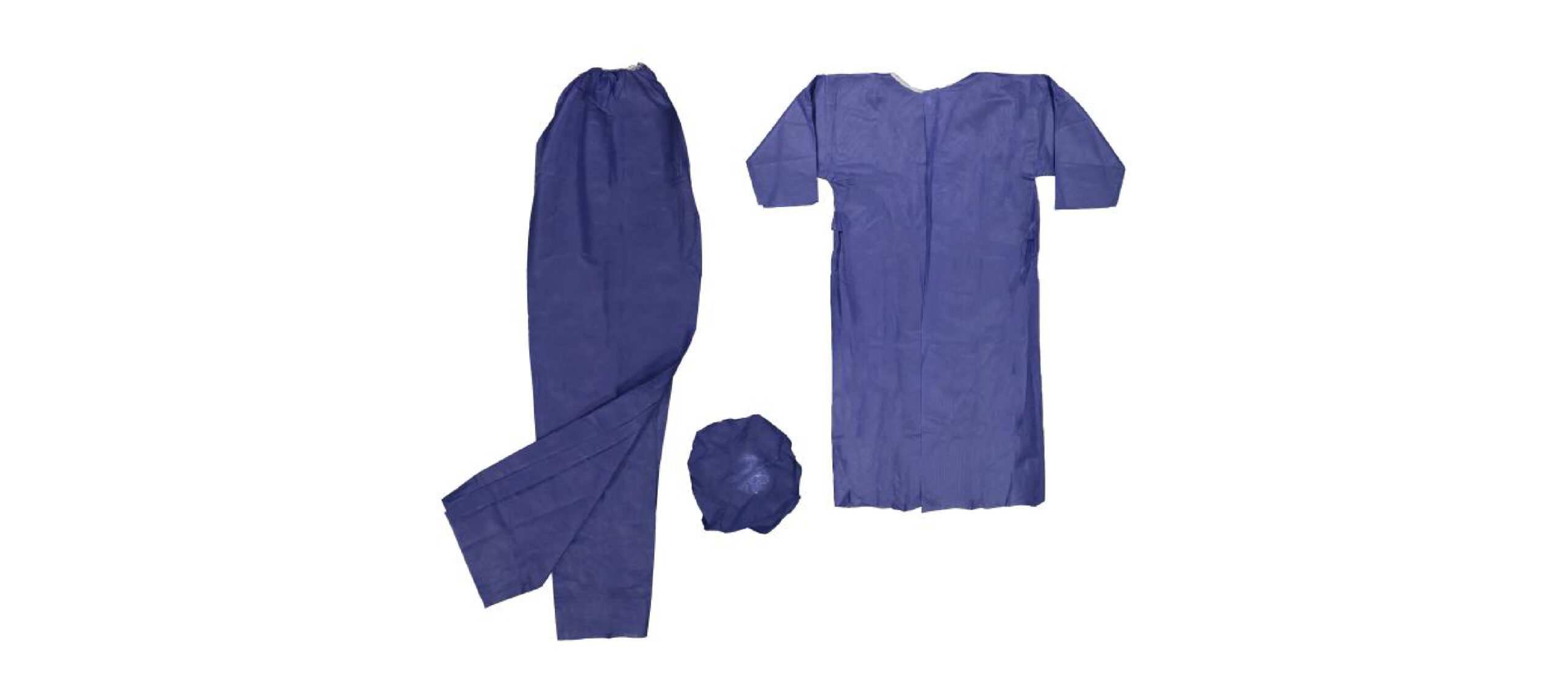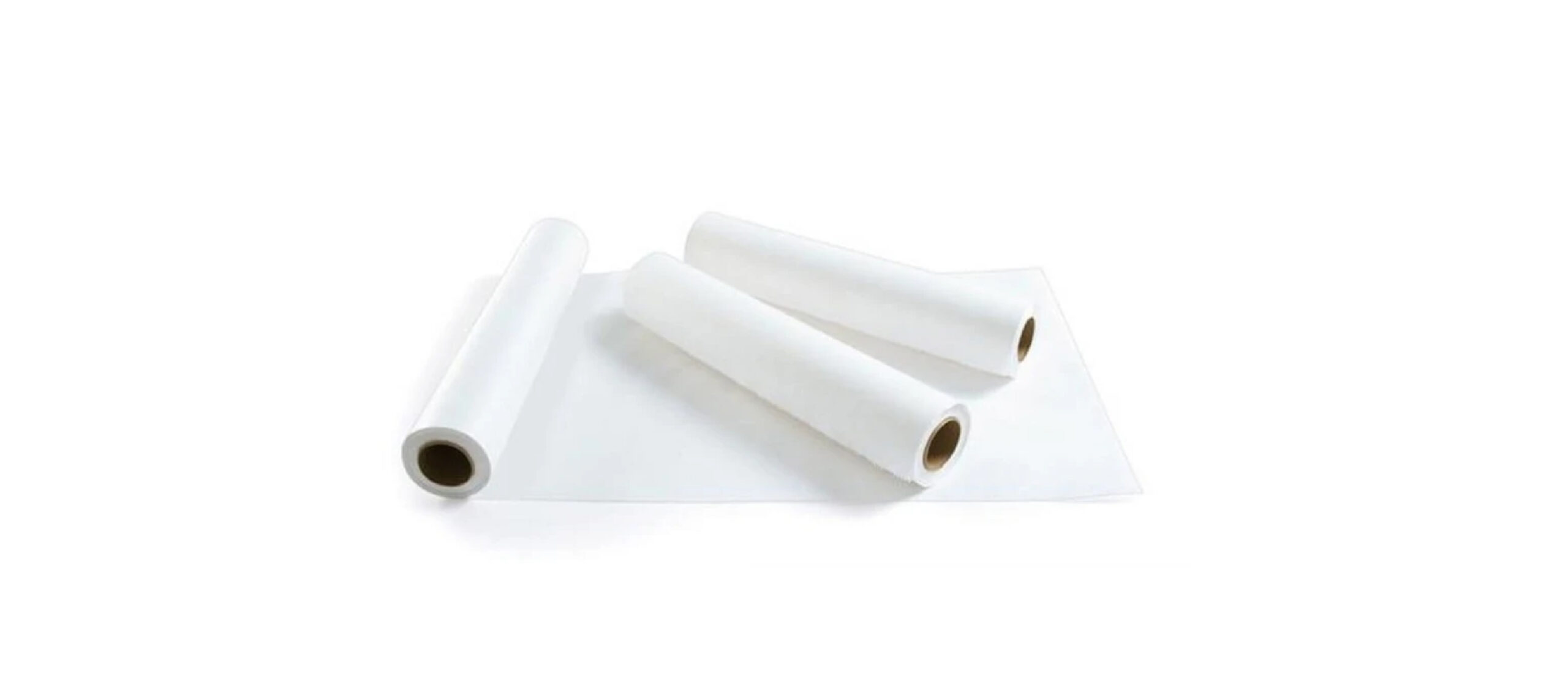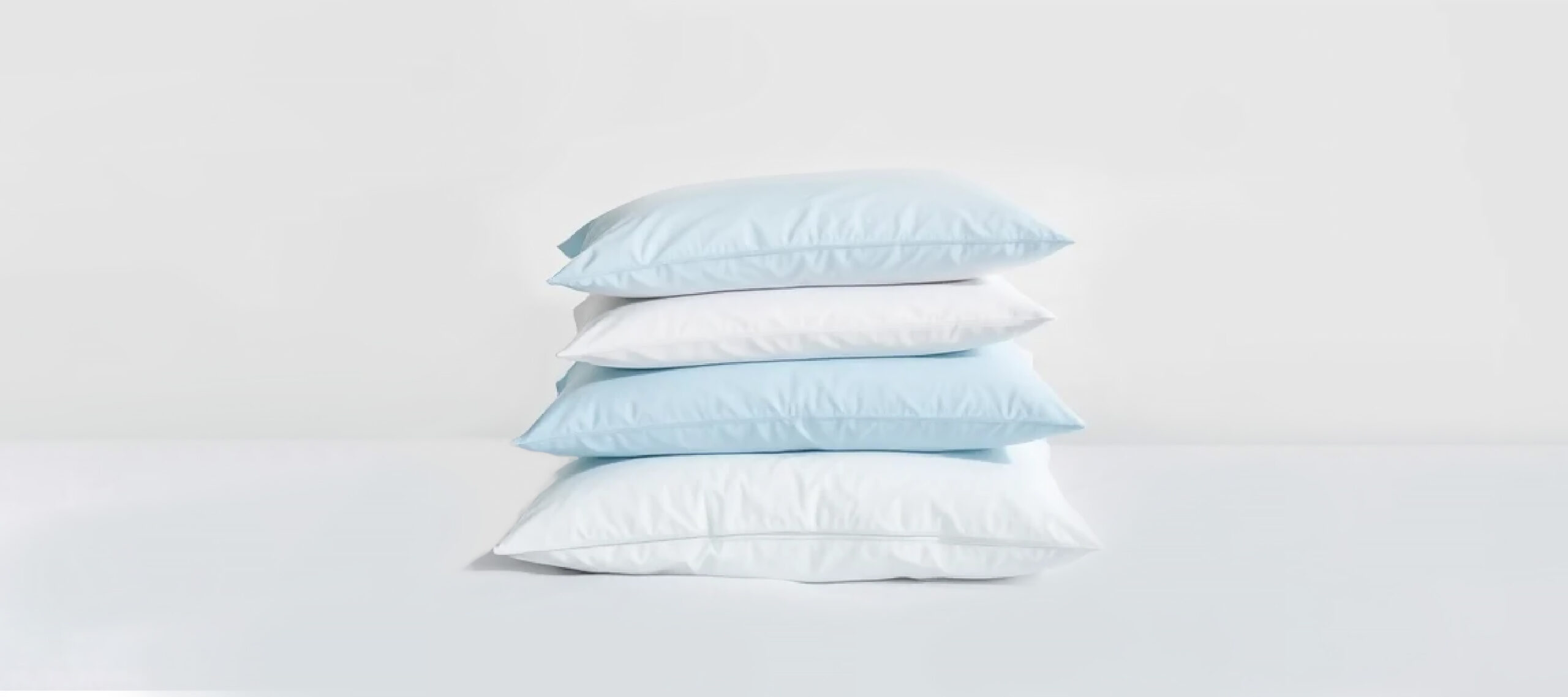


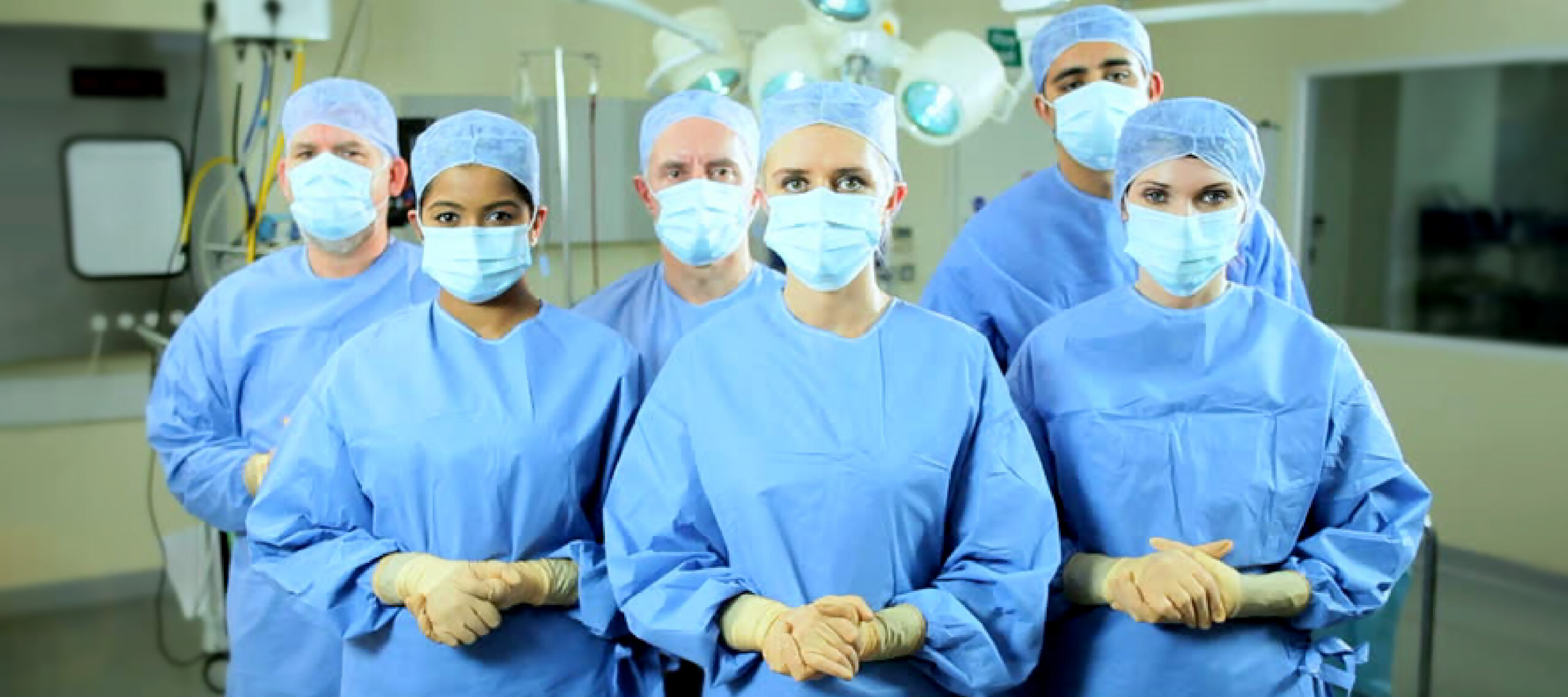
Health and safety in medical centers are not limited to advanced medical equipment; disposable medical apparel also plays a key role in infection control and in enhancing the quality of healthcare services. These garments—including surgical gowns, patient clothing, masks, caps, shoe covers, sheets, and bed covers—are made of nonwoven fabrics and are discarded after each use.
The applications of such apparel are not limited to operating rooms; they are widely used in hospitals, clinics, dental offices, laboratories, and even beauty centers.
Applications in Hospitals and Inpatient Wards
-
Patient Clothing: Comfort, hygiene, and reduced cross-contamination.
-
Staff Gowns and Coats: Protection of healthcare workers from blood and body fluids.
-
Sheets and Bed Covers: Sterile coverage for beds and stretchers.
-
Caps and Shoe Covers: Prevention of environmental contamination entering clinical areas.
The main characteristic in hospitals is mass consumption and the need for a high level of sterility.
Applications in Surgery and Operating Rooms
Operating rooms are among the primary environments for disposable apparel.
-
Surgical Gowns: Resistant to penetration of body fluids.
-
Surgical Drapes: Create a sterile environment around the surgical site.
-
Specialized Caps and Masks: Prevent respiratory droplet transmission.
-
Waterproof Shoe Covers: Reduce contamination transfer from floors into the operating room.
Without such apparel, compliance with surgical infection control protocols would not be possible.
Applications in Dentistry
Dental clinics are among the highest-risk environments due to constant exposure to saliva, blood, and airborne particles.
-
Dentist and Assistant Gowns: Protection from oral secretions.
-
Masks and Face Shields: Prevention of aerosol entry into the respiratory system.
-
Disposable Chair Covers and Sheets: Ensure higher hygiene and patient confidence.
Applications in Laboratories
Laboratories—whether medical or research-based—require strict adherence to safety protocols.
-
Disposable Lab Coats: Prevent contact of chemical or biological substances with skin.
-
Caps and Masks: Protection against fumes and microscopic particles.
-
Gloves and Shoe Covers: Reduce contamination transfer between samples and the environment.
Applications in Beauty Centers and Dermatology Clinics
With the growing demand for cosmetic and aesthetic services, the use of disposable apparel has significantly increased.
-
Disposable Sheet Rolls and Bed Covers: For laser, massage, and skin treatments.
-
Gowns and Caps for Patients: Ensure hygiene and reassurance.
-
Masks: Protect against particles and microbes in high-traffic environments.
Applications in Emergency Care and Patient Transport
-
Disposable Stretcher Covers: Prevent cross-infection during emergencies.
-
Protective Gowns for Emergency Staff: Shield against blood and patient secretions.
-
Caps and Shoe Covers: Enable rapid and safe entry into high-risk areas.
Applications in Specialized Isolation and Infectious Disease Units
In wards treating infectious diseases, the use of disposable apparel is mandatory:
-
Isolation Gowns: High resistance against fluids and viruses.
-
Protective Masks and Face Shields: Reduce respiratory transmission risks.
-
Disposable Caps and Gloves: Provide full-body coverage to prevent cross-contamination.
General Benefits of Disposable Medical Apparel
-
Prevention of hospital-acquired infections.
-
Saving time and reducing laundry costs.
-
Enhancing peace of mind for patients and families.
-
Convenient packaging and hygienic storage.
-
Wide variety of designs suitable for different medical fields.
Challenges and Limitations
-
Higher long-term costs compared to reusable garments.
-
Environmental concerns due to plastic waste.
-
Dependence on imported raw materials such as meltblown.
-
Need for proper hospital waste management in line with environmental protocols.
Future Trends and Innovations
-
Adoption of biodegradable materials to reduce environmental impact.
-
Smart garments capable of color change upon contact with fluids or contaminants.
-
Localization of raw material production to reduce import dependency.
-
Ergonomic designs for improved comfort of healthcare workers and patients.
Conclusion
The applications of disposable medical apparel are not confined to a single field; today, they play an essential role across all areas of healthcare—from hospitals and operating rooms to dental clinics, laboratories, beauty centers, and emergency units. The future of this industry depends on innovation in design, eco-friendly solutions, and higher quality standards. In Iran, expanding domestic production can not only ensure self-sufficiency but also create opportunities for exports to regional markets.