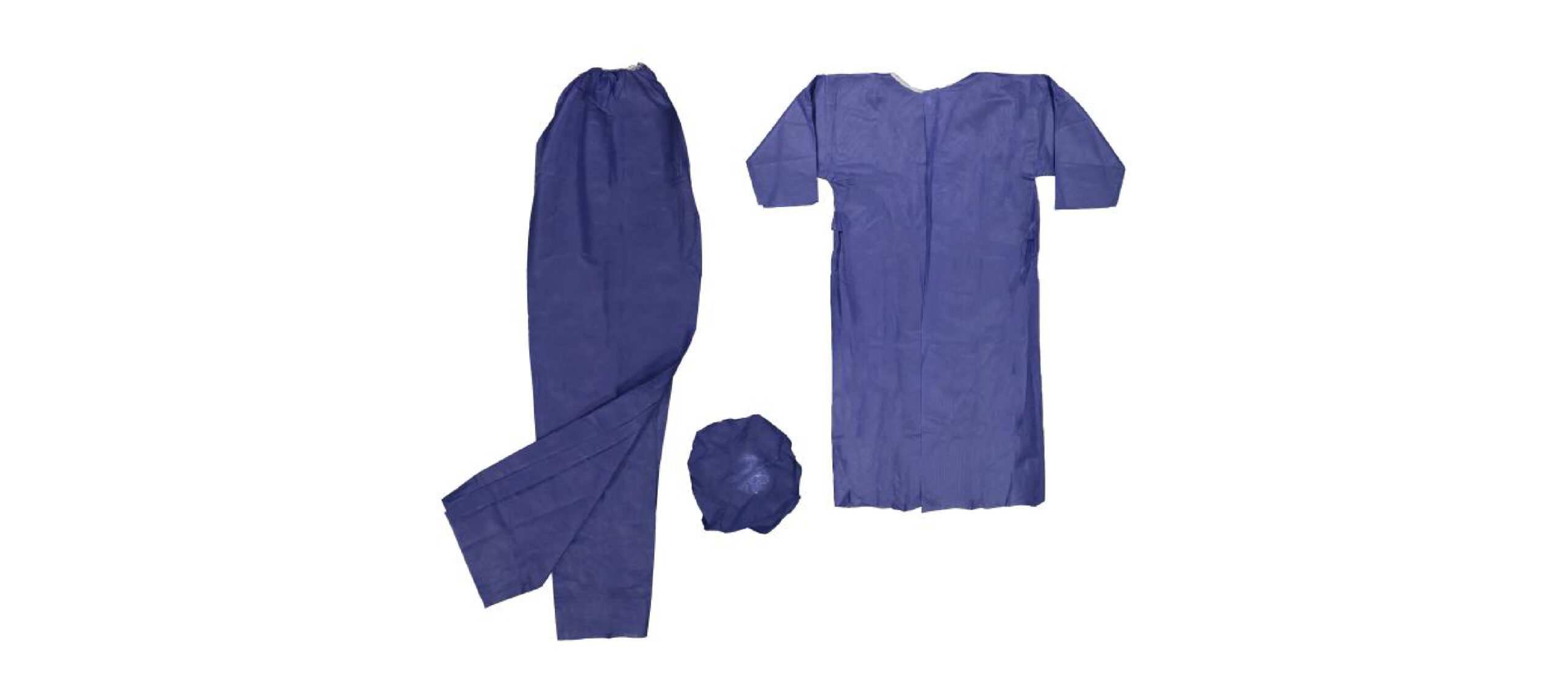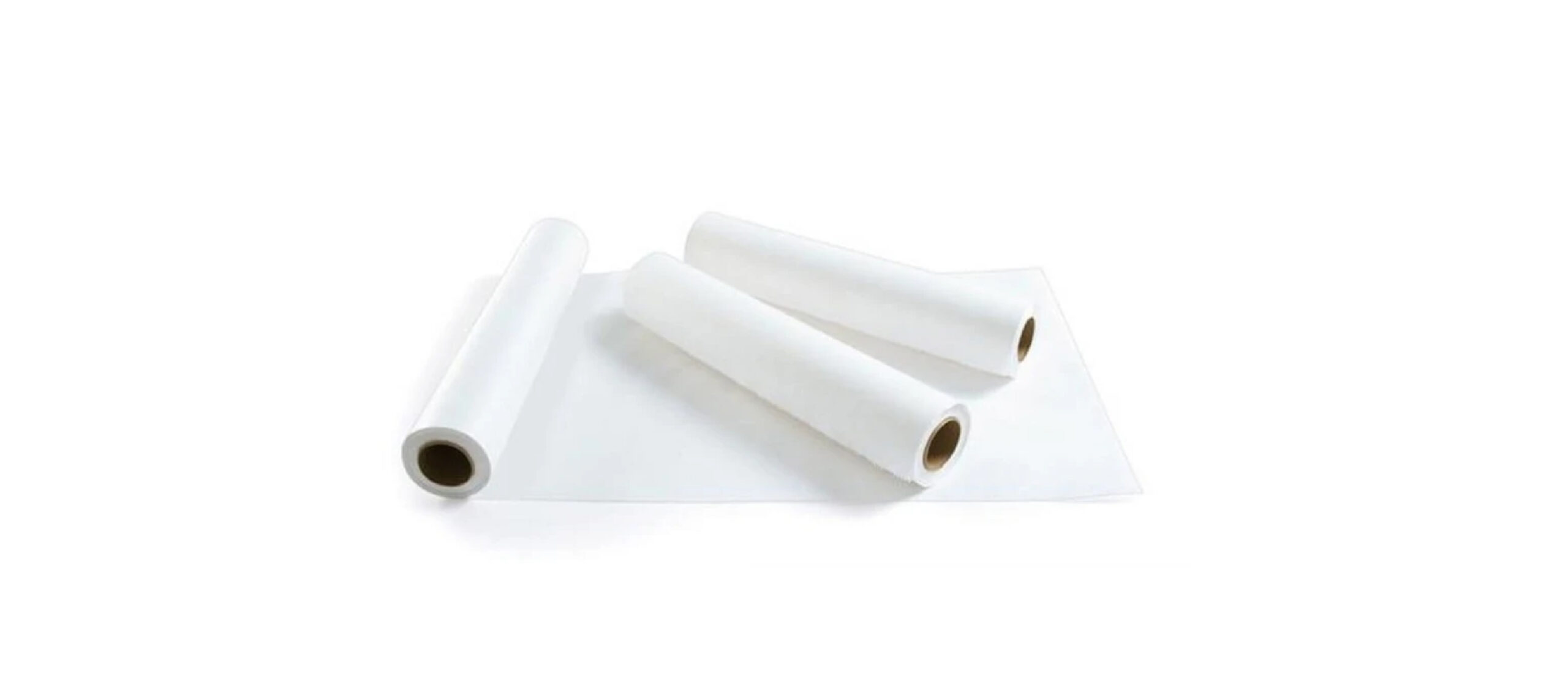


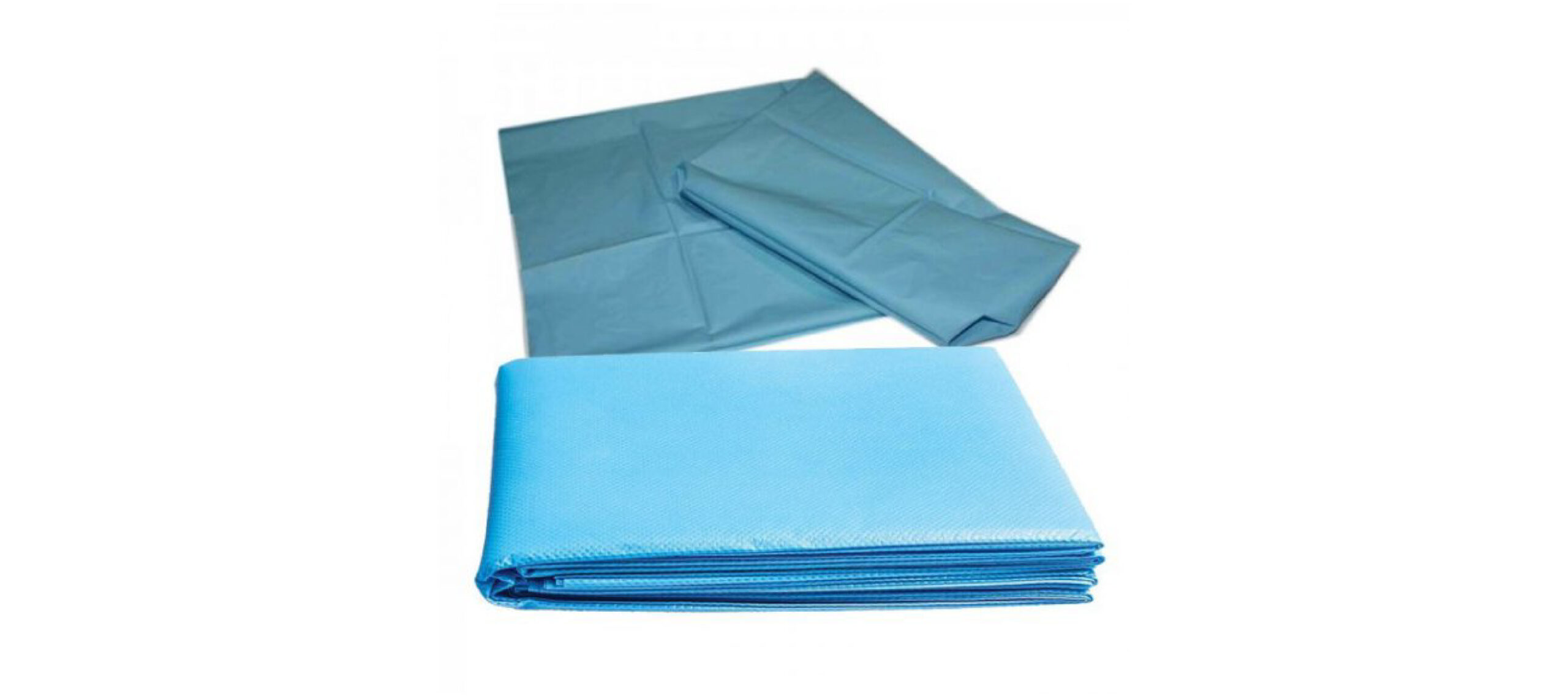
The operating room is one of the most sensitive areas of any hospital, where even the slightest error or contamination can endanger the patient’s life. To prevent the transmission of microorganisms and to create a fully sterile environment, the use of disposable surgical drapes has become a necessity. These simple yet essential products provide a physical barrier between the patient’s body and the surrounding environment, playing a critical role in reducing hospital-acquired infections.
Definition of Disposable Surgical Drapes
A surgical drape is a disposable fabric sheet placed over the patient’s body or surrounding equipment during surgery to establish a sterile and safe environment. Unlike traditional reusable cotton sheets, disposable drapes are discarded after each surgical procedure and removed from the usage cycle.
Key Features:
-
Physical barrier against blood, body fluids, and microorganisms.
-
Specialized designs tailored to different surgical procedures.
-
Sterile packaging and ready-to-use format.
Historical Background
In the past, surgical drapes were made of washable cotton fabrics, which required repeated washing and autoclaving, gradually losing their protective efficiency. With the development of nonwoven fabrics and heightened concerns about infection transmission, disposable drapes were introduced as replacements. The COVID-19 pandemic further accelerated their use.
Types of Disposable Surgical Drapes
-
Universal Drapes: To cover the entire bed or patient body.
-
Fenestrated Drapes: With openings designed for specific surgical sites.
-
Specialized Drapes: Designed for specific procedures such as ophthalmology, orthopedics, or cardiac surgery.
-
Mayo Stand Drapes: For covering surgical tables and instruments.
-
Waterproof Drapes: With polyethylene laminate layers for complete liquid resistance.
Raw Materials Used
-
Spunbond: Lightweight and durable outer layer.
-
Meltblown: Middle layer with high filtration capacity.
-
SMS/SMMS: Multi-layer structures resistant to liquids and bacteria.
-
PE Laminate: Enhances waterproof properties in advanced surgical drapes.
Manufacturing Process of Disposable Drapes
-
Selection of raw materials with suitable weight and density.
-
Automatic cutting of fabrics into required dimensions and patterns.
-
Ultrasonic sealing or thermal pressing of seams.
-
Creation of openings or windows (for fenestrated drapes).
-
Sterile packaging in medical-grade pouches.
-
Final sterilization using ethylene oxide gas or gamma irradiation.
Standards and Quality Requirements
Disposable surgical drapes must comply with stringent requirements:
-
EN 13795: European standard for surgical gowns and drapes.
-
AAMI PB70: Levels of resistance to liquid penetration.
-
ISO 13485: Quality management system for medical devices.
-
CE Marking: Certification for entry into the European market.
-
Iran FDA Approval: Authorization for domestic use.
Advantages
-
Reduced risk of hospital-acquired infections.
-
Ready-to-use, eliminating the need for washing and resterilization.
-
Saves time in operating room preparation.
-
Designs tailored to different surgeries.
-
Lightweight, easy to store, and convenient to transport.
Disadvantages and Challenges
-
Higher long-term costs compared to traditional reusable drapes.
-
Generation of large volumes of plastic waste.
-
Dependence on imported raw materials such as meltblown.
-
Strict sterilization standards required during production.
Market and Demand
With the growth of specialized surgeries and higher hospital hygiene standards, the demand for disposable surgical drapes is increasing. Hospitals are becoming more reliant on these products to reduce post-surgical infections. Moreover, regional export markets present significant opportunities for Iranian manufacturers.
Future Trends and Innovations
-
Biodegradable Drapes: To minimize environmental impact.
-
Antiviral and Antibacterial Drapes: Using nanotechnology.
-
Smart Drapes: Equipped with color-change indicators upon fluid contact.
-
Full Production Automation: Enhancing efficiency and minimizing human error.
Conclusion
Disposable surgical drapes are a cornerstone of safety in operating rooms. By creating a sterile barrier between the patient and the environment, they minimize the risk of infection transmission. Although cost and environmental concerns remain significant challenges, their advantages in improving healthcare quality are undeniable. The future of this sector lies in innovation, eco-friendliness, and stricter global standards.