

Disposable towels are often discarded after a single use; however, the quality of some is sufficient to allow reuse for non-critical purposes. In this article, we will define disposable towels, examine their importance and applications, and finally discuss how to purchase them.
What You Should Know About Disposable Towels
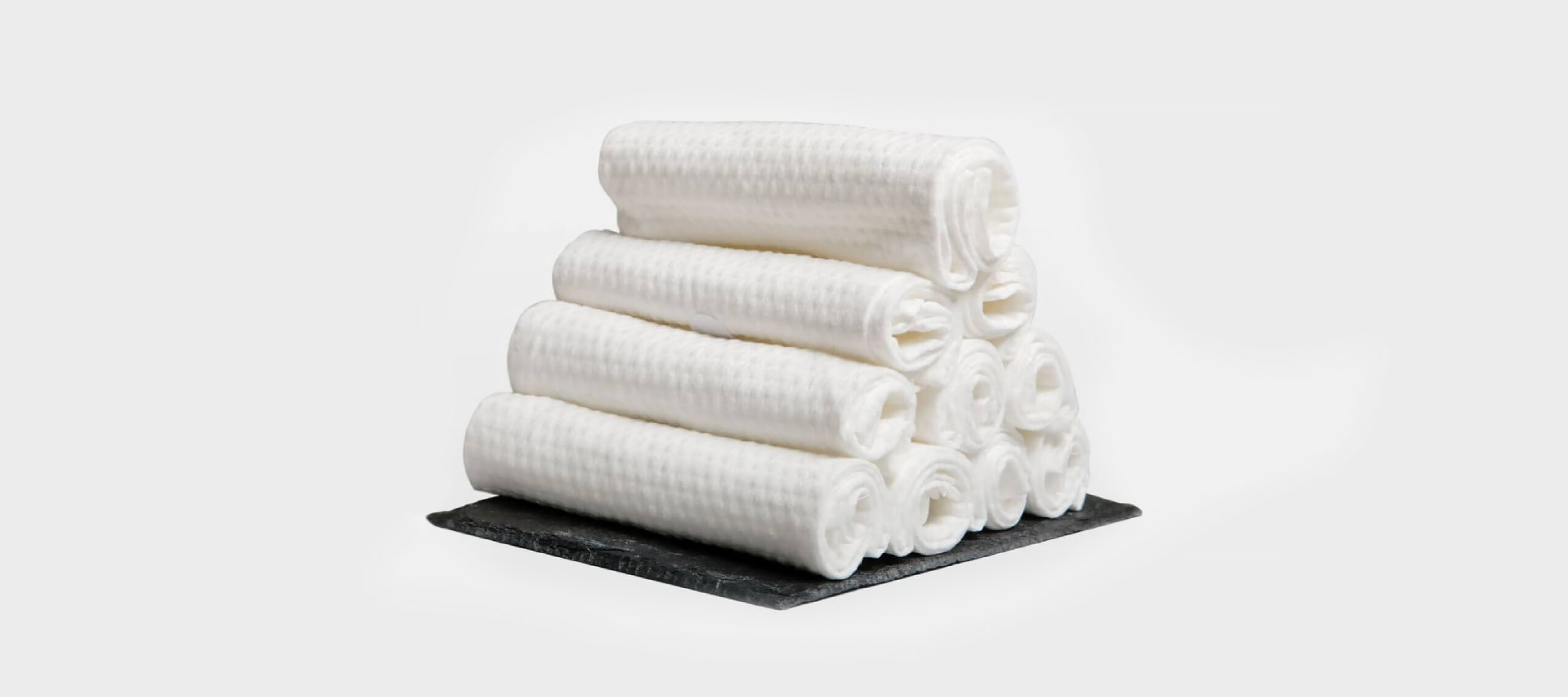
Disposable towels are manufactured from various fabrics, usually including polyester, cotton, or viscose fibers. The best disposable towels available on the market—such as those from the Latifan brand—are typically made from nonwoven fabrics, spunbond, or spunlace materials. These fabrics, with their high absorbency and breathability, provide excellent quality.
Disposable towels are widely used in hair salons to dry hair and scalp after washing or cutting. Their use is strongly recommended for hygienic reasons. Some barbers reuse the same towel for multiple clients, which increases the risk of transmitting skin and hair diseases. Certain diseases are difficult, time-consuming, and costly to treat. By using disposable towels, these risks can be effectively prevented.
Advantages of Using Disposable Towels
Disposable towels are time-saving, economical, and possess unique properties. Key advantages include:
-
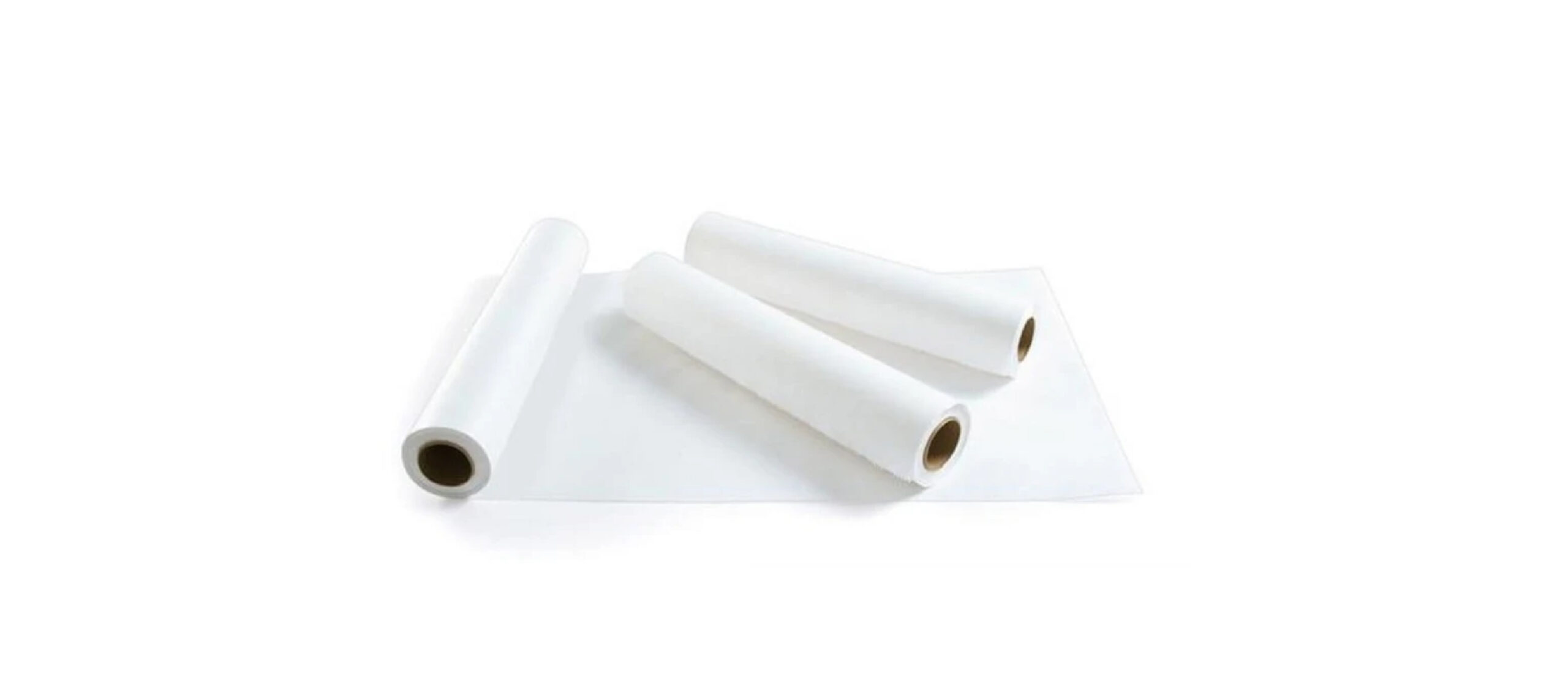
Easy separation from the roll: Thanks to production methods and perforated lines, the required piece can be easily torn off without effort.
-
Adjustable quantity: If only a small amount is needed, there is no requirement to use a full piece.
-
High water absorption: These towels can absorb up to 10 times their own weight in water, making them highly effective for drying after bathing or cleaning surfaces.
-
Reduced space and weight when traveling: Conventional towels take up considerable luggage space, especially for large families. Disposable towels can significantly ease travel by reducing baggage weight and volume.
Applications of Disposable Towels
Massage Centers
Massage centers involve extensive physical contact, making disposable towels essential. A fresh towel is used for each client to prevent the transmission of bacteria, viruses, and skin infections. They also enhance service quality, providing clients with comfort and a pleasant experience.
Swimming Pools
In swimming pools, disposable towels (pool towels) are widely used. Since pools are public spaces, the risk of transmitting skin or hair infections is high. Disposable towels prevent such transmissions, reduce laundering costs, and effectively absorb body moisture after swimming. After use, the towel must be discarded in designated bins.
Hair Salons
In both men’s and women’s salons, disposable towels are essential for maintaining hygiene. Traditional reusable towels can easily spread infections from one client to another. Disposable salon towels, with their absorbent and soft texture, minimize this risk and are typically sold in large packs (e.g., 100 pieces), making them cost-effective.
Hotels and Guesthouses
Hotels are frequently used by numerous guests, and bathrooms are shared spaces. For this reason, hygiene standards demand disposable supplies, including towels. Disposable towels in hotels prevent the spread of infections, offer comfort, and are safe to use. If not provided in the room, guests should request them at reception.
Beauty and Laser Clinics
Disposable towels are also vital in beauty and laser clinics. With high absorbency, hypoallergenic, and antibacterial properties, they are suitable for cleansing the skin after cosmetic treatments. Their single-use nature prevents cross-contamination and enhances the clinic’s reputation among clients.
Hospitals
Hospitals and clinics are high-risk environments for viruses and infections. In operating rooms and patient care units, disposable towels are essential. Since they are discarded after use, they significantly reduce the risk of spreading infections within hospitals.
How to Choose the Best Disposable Towel
When purchasing disposable towels, consider the following factors:
-
Color and design: The towel should have an appropriate color and design. Poor-quality dyes may fade or transfer to skin.
-
Material quality: The fabric should be soft, durable, and absorbent. Some low-quality towels made of plastic or polyester neither absorb moisture nor are safe for the skin.
-
Size and weight: The towel should be appropriately sized. Small towels may be insufficient, while oversized towels may be wasteful. Weight reflects thickness and absorbency: lightweight towels may be weak, while heavier ones may feel rough.