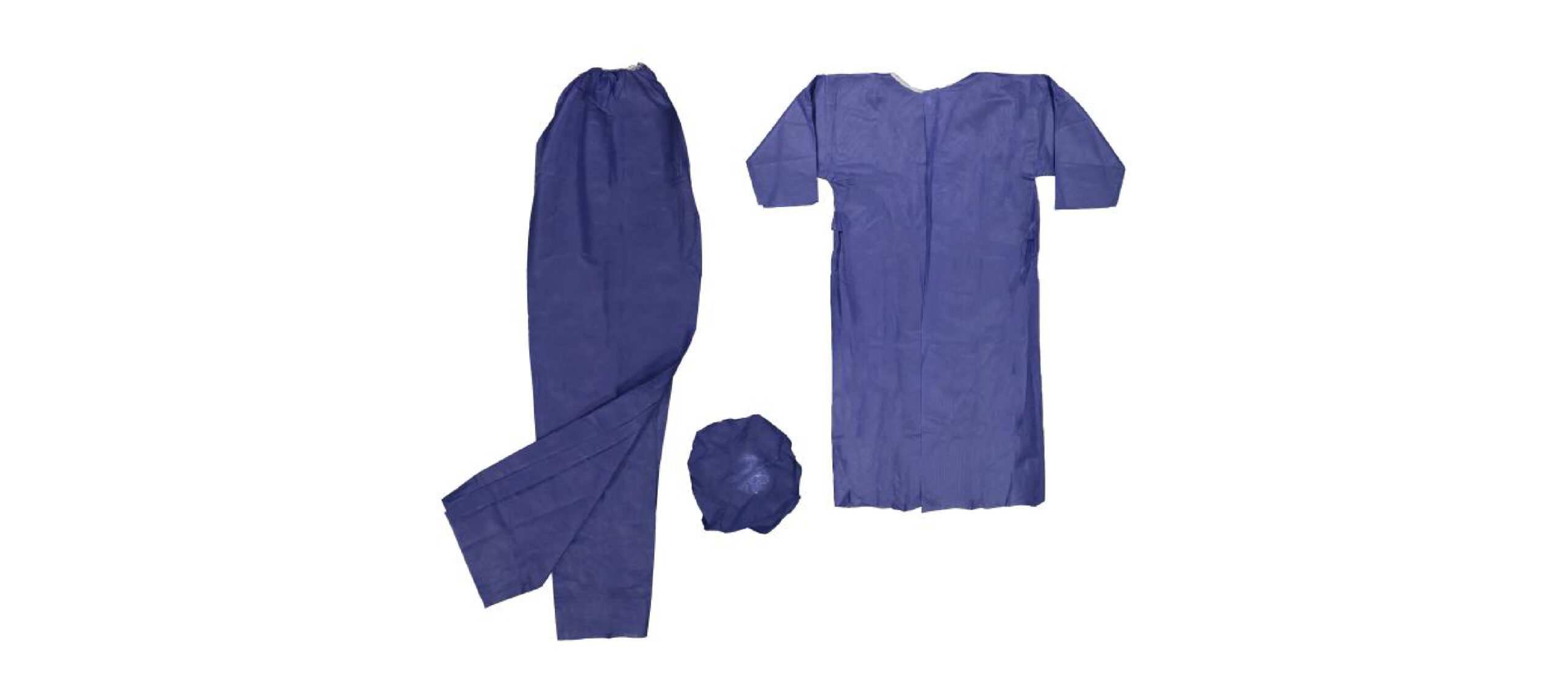


The medical equipment industry—particularly the production of disposable medical apparel such as surgical gowns, patient clothing, caps, and masks—is among the most sensitive industrial sectors. The slightest defect in quality or failure to comply with hygienic requirements may endanger the lives of patients and healthcare workers. For this reason, manufacturers of these products are obliged to adhere to international standards and quality certifications. Among them, ISO 13485 is recognized as the primary reference for quality management systems in medical devices.
Importance of Quality Certifications in the Production of Medical Apparel
-
Patient Safety: Ensures that products are manufactured free from contamination and with consistent quality.
-
Market Trust: Accreditation by reputable bodies increases the confidence of hospitals and physicians.
-
International Competitiveness: Only products that comply with global standards are eligible for export.
-
Production Process Control: Certifications require that all stages of production, packaging, and sterilization be supervised and thoroughly documented.
What is ISO 13485?
ISO 13485 is an international quality management standard specifically designed for medical devices. It helps manufacturers to:
-
Meet regulatory and legal requirements.
-
Implement quality control systems across all stages, from design to distribution.
-
Guarantee full traceability of products and documentation control.
This standard is a specialized version of ISO 9001, tailored specifically for medical device manufacturing.
Key Requirements of ISO 13485 in Disposable Medical Apparel Production
-
Risk Management: Identification and control of potential hazards in apparel production.
-
Raw Material Control: Quality inspection of nonwoven fabrics such as spunbond and meltblown before entering the production line.
-
Process Documentation: Accurate recording of production, sterilization, and packaging stages.
-
Product Traceability: Serial numbers and production dates on every package.
-
Final Quality Control: Testing for fluid resistance, seam strength, and packaging sterility.
Other Relevant Quality Certifications
In addition to ISO 13485, several other standards and certifications are important in the production of disposable medical apparel:
-
ISO 9001: General quality management system.
-
EN 13795: European standard for surgical gowns and drapes.
-
CE Marking: Requirement for entry into European markets.
-
FDA Approval: U.S. Food and Drug Administration certification for exports to the U.S.
-
GMP (Good Manufacturing Practice): Guidelines for hygienic and controlled production.
Process of Obtaining ISO 13485 Certification
-
Preparation and Training: Personnel must be trained in the requirements of the standard.
-
Documentation: Development of procedures, forms, and production records.
-
Implementation: Applying the quality management system across the production line.
-
Internal Audit: Verification of compliance by an internal audit team.
-
External Audit: Assessment by accredited certification bodies.
-
Certification: Issued upon full compliance.
Benefits of ISO 13485 Certification for Manufacturers of Medical Apparel
-
Increased trust from clients and hospitals
-
Eligibility to participate in international tenders
-
Reduction of errors and waste in production
-
Improved efficiency and reduced quality control costs
-
Easier access to foreign markets and facilitation of exports
Challenges Facing Iranian Manufacturers
-
High costs of obtaining and maintaining certifications
-
Need for investment in training and equipment
-
Limited access to reputable international auditing bodies due to sanctions
-
Lack of awareness among some smaller manufacturers regarding the importance of standards
Conclusion
Quality certifications—particularly ISO 13485—are the backbone of disposable medical apparel production. This standard not only guarantees the quality and safety of products but also opens the doors of global markets to manufacturers. For Iran, investing in the implementation of quality management systems and acquiring internationally recognized certifications can pave the way for self-sufficiency, export growth, and strengthening the global position of its medical equipment industry.